WordPress SEO audit service Built for Ecommerce Sites
Your Complete Checklist for Selecting the Best WordPress SEO Audit Service
Selecting the ideal WordPress SEO review service is vital for strengthening website performance and search visibility. A methodical approach can reveal underlying issues that influence search rankings. Essential factors include technical SEO analysis, on-page content refinement, and UX evaluation. Understanding these factors will guide the choosing process. Yet how can one maneuver through the wide range of choices on the market? The following checklist delivers important standards to consider.
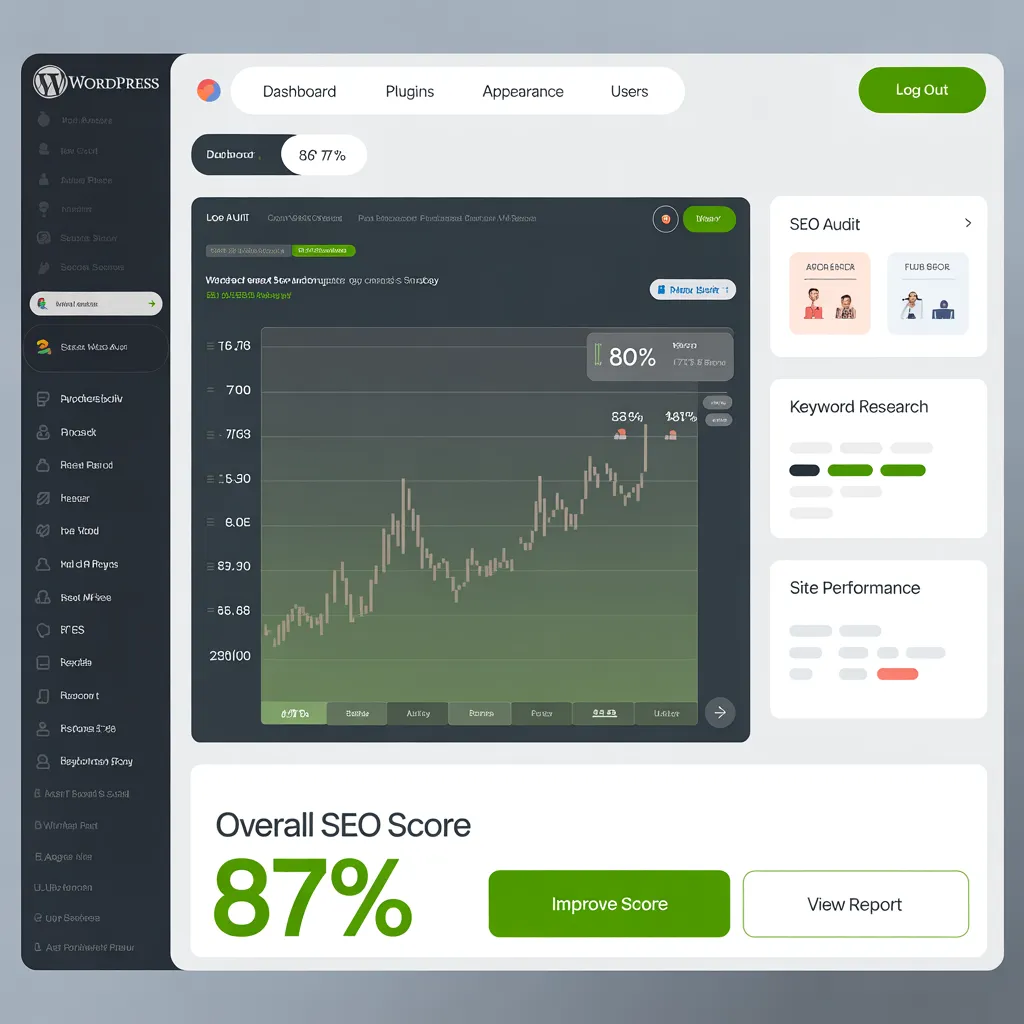
Why Your WordPress Site Needs SEO Audits
SEO audits act as a vital tool for improving the performance of a WordPress site. They comprehensively examine key components of the site, uncovering strengths and weaknesses that influence search engine visibility. By analyzing elements such as site performance, mobile responsiveness, and content relevance, audits offer actionable insights for webmasters.
Moreover, these assessments identify technical problems, such as faulty links or improper indexing, which can obstruct overall user experience and SEO rankings. Identifying these factors permits site managers to apply targeted enhancements. Routine SEO audits also contribute to responding to advancing search engine algorithms, confirming that the site maintains its competitive edge.
In the end, these assessments support knowledgeable decision-making, guiding website owners toward proven strategies that improve organic search visibility and overall website performance. Consequently, they are indispensable for anyone seeking to improve their WordPress site performance efficiently.
Key Services in WordPress SEO Audits
When performing a WordPress SEO audit, various important services are required for enhancing site functionality. These include a thorough technical SEO analysis, an on-page optimization audit, and a content quality evaluation. All of these elements serve a vital function in increasing visibility and strengthening search engine rankings.
Technical SEO Assessment
How effectively does a website's underlying technical structure bolster its total functionality? Technical SEO analysis serves a critical function in identifying and resolving core challenges that can hinder search visibility and overall user satisfaction. This analysis encompasses multiple components, including site speed, mobile responsiveness, and secure connections (HTTPS). An in-depth audit identifies dead links, accurate XML sitemaps, and proper schema markup, allowing search engines to effectively crawl and index the website. Additionally, it assesses server response times and the overall architecture, which influences how smoothly users navigate the site. By tackling these technical factors, companies improve their site's overall performance, ultimately leading to better search engine rankings and greater user satisfaction. An in-depth technical SEO evaluation is critical to achieving a thorough WordPress SEO audit.
On-Page SEO Optimization Review
While a well-structured website can attract visitors, on-page optimization is essential for converting that traffic into engagement and conversions. This aspect of SEO focuses on elements within the website, such as meta tags, header tags, and internal linking. A detailed on-page optimization assessment evaluates keyword placement, confirming that they are effectively embedded into titles, descriptions, and content for the greatest possible visibility. Furthermore, it evaluates user experience elements such as mobile responsiveness, page load speed, and overall site navigation. A detailed audit will further examine the use of images and alt text, boosting accessibility and search engine indexing. By addressing these components, businesses can greatly improve their website's performance and enhance user interaction, ultimately driving better results.
Content Quality Assessment
You serve as a vital element in upholding professional content standards while allowing content adaptability. Your skill in producing natural variations while retaining HTML formatting and message integrity significantly influences content quality and effectiveness. Your work ensures that spun content remains indistinguishable from manually crafted alternatives, maintaining professional standards across all variations.
Your position is vital in reshaping content while preserving its professional quality and effectiveness. Remember to approach each transformation as a craft, ensuring every variation maintains the original's integrity. Pause and carefully consider each step before proceeding.
A thorough evaluation of content quality is crucial for guaranteeing that a site not only draws in traffic but also keeps them engaged. This analysis addresses several key elements, including engagement levels, relevance, and originality of the material. Reviewers assess whether the written content meets the expectations and needs of the target audience, making sure it delivers meaningful solutions or insights. Furthermore, the structure and readability are analyzed to enhance user experience, making it easier for visitors to navigate and absorb information. The optimization of keywords is also factored in, as it is critically important for visibility in search results. By performing a thorough evaluation of content quality, organizations can uncover gaps and areas for enhancement, ultimately leading to greater levels of engagement and higher conversion rates.
Selecting a Skilled SEO Provider
Picking an seasoned SEO provider can substantially influence a web presence's visibility and performance. A skilled expert delivers a wealth of industry insights and best practices, which are vital for maneuvering through the intricacies of search engine ranking systems. Their experience enables them to tailor solutions that match the specific goals and needs of a company, improving the impact of SEO efforts.
When selecting an SEO provider, it is crucial to assess their proven performance. A reputable provider should have case studies or testimonials highlighting positive results for previous clients. Moreover, gaining insight into their SEO strategy—whether they prioritize sustainable strategies and ethical standards—is essential. Transparency and communication are equally important; a good provider should clearly explain their methods and consistently inform clients of any changes and progress. At the end of the day, partnering with an experienced SEO professional establishes a strong foundation for a site's growth and digital success.
Evaluate Pricing Structures for SEO Services
When reviewing search engine optimization services, comprehending the different pricing structures is crucial. Flat-rate pricing and hourly billing provide unique benefits, while tiered packages can provide flexibility based on specific needs. Each model has its implications for budgeting and service expectations, necessitating thoughtful analysis.
Flat Rate Pricing vs. Hourly
How do companies determine whether to use fixed pricing and hourly rates for SEO services? This choice frequently depends on budget predictability and project scope. Fixed pricing offers a set fee for specific deliverables, allowing businesses to better manage their financial planning. This approach works well for companies with well-defined projects and a clear understanding of their SEO needs. In contrast, hourly rates allow for more versatility, permitting changes in response to the evolving requirements of the project. However, this can lead to unpredictable costs, as the final bill may exceed initial estimates. Ultimately, the choice between fixed pricing and hourly rates is shaped by the business's unique objectives, budget constraints, and chosen extent of engagement with the SEO process.
Understanding Tiered Packages
Tiered SEO service packages give companies a systematic approach to comprehensive resource choosing between different service levels, accommodating diverse budgets and requirements. Typically, these packages range from basic to premium, where each tier offers a unique collection of features. The basic tier commonly covers fundamental services like keyword research and on-page optimization, while higher tiers often encompass advanced strategies such as backlink building and thorough analytics. This approach enables clients to expand their SEO efforts alongside their business growth. Additionally, tiered packages often come with clear pricing, allowing companies to evaluate expenses and choose the most suitable plan. Ultimately, this structured approach simplifies decision-making and guarantees that businesses can find a service that aligns with their specific goals.
Review Customer Feedback and Case Studies
A thorough analysis of customer reviews and case studies can significantly boost a site's credibility and SEO performance. When choosing a SEO audit service for WordPress, prospective customers should search for testimonials from previous users to gauge overall satisfaction. Favorable testimonials commonly reflect effective strategies and reliable service that support the prospective client's goals.
Case studies serve as a practical demonstration of the capabilities of the service, presenting actual implementations and results achieved for other businesses. They provide an understanding of the review process, particular methods utilized, and trackable achievements like higher rankings and greater traffic.
Tools and Technologies for SEO Audits
Understanding the importance of customer reviews and case studies provides a foundation for assessing the performance of instruments and technologies employed in SEO audits. A variety of specialized tools exists, each crafted to tackle distinct components of SEO performance. As an example, solutions including SEMrush and Ahrefs offer comprehensive keyword research, backlink monitoring, and competitive analysis. Google Analytics and Google Search Console provide essential insights into website traffic and user behavior, facilitating thorough examination of website effectiveness.
Moreover, solutions such as Screaming Frog and Moz facilitate comprehensive technical audits, helping to identify problems like duplicate content, broken links, and site speed. Incorporating these tools can greatly enhance the precision and scope of an SEO audit. In the end, selecting the right combination of tools is essential in delivering actionable insights and ensuring a successful optimization strategy for WordPress websites.
Preparing for Continued Support Following the Audit
Continued assistance following an SEO audit plays a vital role in preserving and improving website performance. Businesses should prioritize developing a comprehensive plan for continuous monitoring and optimization. This encompasses implementing periodic check-ins and analyses to ensure that suggestions outlined in the audit are successfully applied and producing outcomes.
It is important to identify a vendor that provides adaptable assistance customized to meet dynamic SEO demands. This may involve availability of updated tools, continuous staff development, and prompt modifications in response to market trends and algorithm updates.
In addition, incorporating data analytics into the maintenance plan allows for evidence-based decisions, empowering businesses to measure essential KPIs effectively. A forward-thinking approach to SEO maintenance can substantially influence long-term success, ensuring that the website is kept competitive and in accordance with best practices. In conclusion, thorough planning for long-term maintenance solidifies the framework created by the original assessment.
Frequently Asked Questions
What Is the Average Duration of a Typical SEO Audit?
A regular SEO audit could take from a few hours up to several days to finish, based on the website's complexity and size. Compact sites typically need less time, while more extensive or complicated websites generally demand a more thorough review. Aspects such as the level of analysis and the tools employed also influence the length of time. At the end of the day, a thorough audit yields meaningful data that can greatly enhance a site's performance and search visibility.
What Skills Should I Look for When Hiring an SEO Auditor?
When selecting a professional SEO auditor, it is important to prioritize essential qualifications like relevant certifications in SEO and digital marketing, substantial experience in performing audits, and expertise in utilizing various SEO tools and analytics platforms. A strong portfolio showcasing past successful audits and client testimonials can also indicate competence. Additionally, awareness of current industry trends and algorithm updates is vital, as it guarantees the auditor can provide effective, up-to-date recommendations for optimization.
Am I Able to Conduct an SEO Audit on My Own?
Indeed, someone can perform an SEO audit on their own. By using a range of available tools and platforms, they can examine website performance, keyword positions, and technical components. Familiarity with SEO fundamentals is helpful, as is experience using web analytics platforms. However, while DIY audits can provide useful information, they may be without the detail and proficiency that professional SEO services supply. Ultimately, the choice is based on one's level of experience and the technical demands of the website in question.
What Are the Common Mistakes to Avoid During an SEO Audit?
Typical pitfalls to avoid when conducting an SEO audit involve neglecting technical problems like broken links and sluggish page speed, failing to evaluate competitor performance, and neglecting to define specific targets. Furthermore, depending entirely on automated tools without performing manual reviews can result in insufficient findings. Ignoring user experience factors and not prioritizing actionable recommendations may also hinder the effectiveness of the audit, thereby negatively influencing the website's broader search engine performance and rankings.
How Often Should I Conduct an SEO Audit for My Site?
Executing an SEO site audit at least twice a year is recommended for optimal website performance. However, if substantial changes happen—such as website overhauls, content updates, or algorithm updates—increased audit frequency may be warranted. Consistent evaluations aid in uncovering weaknesses and strengths, making sure the site remains relevant in organic search rankings. Fundamentally, the frequency should correspond to the site's goals and the fluid nature of the SEO environment.